
Chebe powder is a traditional hair treatment from Chad that has gone from a regional custom to one of the most searched hair ingredients online. It is often sold as a “hair growth” powder, but that is not really what it does. Chebe works on the lengths of the hair, coating and sealing them so they break less, which is why it matters most for anyone whose hair snaps before it ever gets long. If your hair feels drier and more brittle once the heating goes on in winter, it is worth understanding how it works before you buy a bag.
Where chebe comes from
The name refers to the seeds of a shrub called Croton gratissimus, sometimes known as lavender croton, which grows in the Sahel. The practice is most closely associated with Basara Arab women in Chad, many of whom are known for very long, thick braids that they keep coated in a chebe mixture for much of the time.
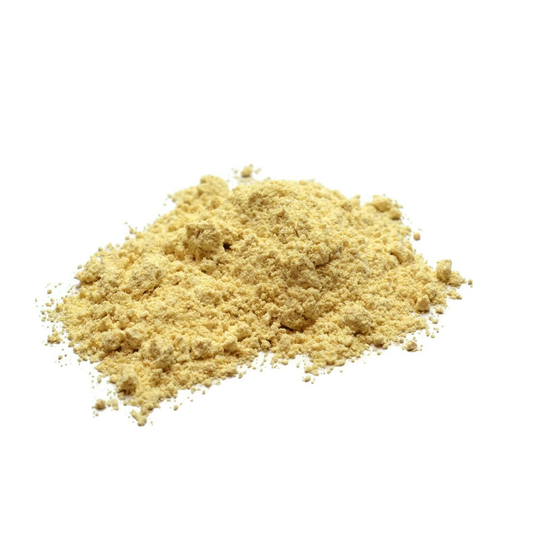
The powder you buy is rarely just the seed. Traditional blends vary from family to family, but commercial versions commonly list ground croton seeds alongside mahaleb cherry kernels, cloves and a fragrant resin. The seeds are toasted, ground very finely and then mixed with an oil or a hair butter before use. On its own, the dry powder is brownish, gritty and smells faintly spicy.
Growth versus length retention
This is the single most important thing to understand about chebe. Hair grows from the follicle in the scalp, and the rate is largely set by genetics, age, hormones and general health. A typical figure is around a centimetre a month. Nothing you put on the ends of your hair changes that.
What a product can change is how much of that growth you keep. Curly and coily hair in particular is prone to dryness and breakage at the bends of each strand, so many people with type 3 and type 4 hair find that their hair seems “stuck” at the same length for years. It is growing, but the ends are snapping off at roughly the same rate.
Chebe is applied to the lengths, never the scalp. The oily paste coats each strand, reduces friction, and helps the hair hold moisture for longer. Less breakage means more length over time. That is a real and useful effect, but it is length retention, not faster growth.
It is also fair to say that there are no published clinical studies showing what chebe does on human hair. The evidence is traditional use and a great many personal accounts. That does not make it useless, but it does mean you should be sceptical of any label promising a specific number of centimetres.
How to use chebe powder
The traditional method takes time, which is part of why it works: the hair is left alone, coated and protected, for days at a stretch. A practical version for home use looks like this.
- Start with clean, damp hair. Wash and condition as normal and gently detangle while the conditioner is in.
- Make the paste. Mix about one tablespoon of chebe powder with two to three tablespoons of an oil or butter you already know your hair likes, such as shea butter, coconut oil or a light leave-in conditioner. It should look like a thick, grainy mud.
- Section and apply to the lengths. Work in small sections and smooth the paste from about two centimetres away from the scalp down to the ends. Keep it off the scalp itself.
- Braid or twist. Put the hair into braids or twists so the coated strands stay together. A satin scarf or bonnet at night stops the paste rubbing off on pillowcases.
- Leave it in. Traditionally, the mixture stays on for several days and is topped up every three to five days. If that feels like too much, a weekly mask of a few hours before washing is a gentler way to start.
- Wash it out thoroughly. Chebe builds up. Use a clarifying or deep cleansing shampoo every week or two so residue does not weigh the hair down or dull it.
The most common mistakes are using far too much powder in the mix, putting it on the scalp, and leaving it in without ever clarifying, which leaves hair stiff and gritty.
Who it suits and who should skip it
Chebe was developed for, and is most loved by, people with tightly coiled hair that is long enough to braid. If that is you, and your main frustration is breakage rather than shedding from the roots, it is worth a trial of a couple of months.
It is less suited to fine or straight hair, which tends to feel heavy and greasy under an oil based paste, and to anyone who washes daily, because the method depends on leaving the hair undisturbed.
A few cautions are worth taking seriously:
- Patch test first. Blends often contain cloves, which can irritate sensitive skin. Put a little of the mixed paste on the inside of your elbow and wait 48 hours.
- Buy from a seller who lists every ingredient. Some products are padded with cheaper fillers or fragrance, and a vague label gives you no way to check what you are putting on your hair.
- Use your own judgement during pregnancy. There is no safety data for chebe, so if you are pregnant or breastfeeding, ask your GP or pharmacist before using it.
- It will not fix hair loss. Thinning at the crown, patches of hair loss or sudden heavy shedding have medical causes that need a GP or dermatologist, not a hair mask.
Pairing chebe with other herbs
Chebe is often used alongside other plants from the same tradition of African hair care. Fenugreek seeds, for example, become slippery when soaked, and a paste made from fenugreek powder mixed with water or yoghurt is a long standing conditioning mask in North Africa and South Asia. Hibiscus, aloe vera and moringa also appear in many routines. We look at these plants in more detail in our guide to African herbs for hair growth, which covers what each one is traditionally used for.
If you would rather try something gentler before committing to a full chebe routine, the oils and rinses in our post on simple herbal remedies for hair are a good place to begin.
Making it work through the winter
Cold wind outside and central heating inside are hard on hair, and the ends suffer first. That makes the darker months a sensible time to try a protective routine like chebe: hair spends more time tucked under hats and scarves, braids are practical, and nobody minds a satin bonnet at home in the evenings.
Give it a fair test. Take a photo of your hair stretched out against a plain background today, use chebe consistently for eight to twelve weeks alongside a regular trim of split ends, and compare. If the ends look fuller and you are finding fewer short broken pieces in the sink, it is working for you. If not, stop, and put the money towards a good conditioner instead.