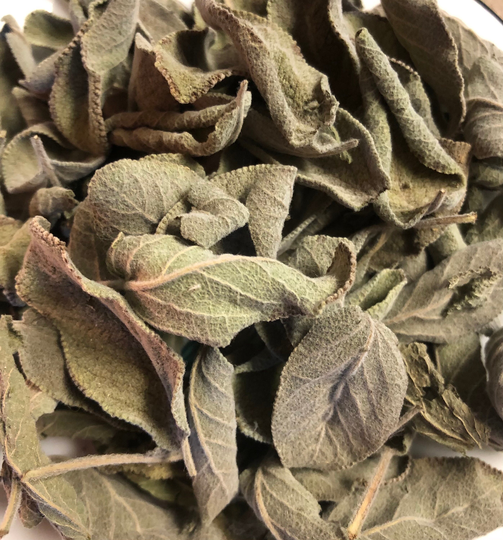
By late summer, a herb garden or a row of pots on the windowsill often produces more than any kitchen can use fresh. Rather than letting that harvest go to waste, you can dry or freeze it and enjoy home grown herbs right through the winter. Preserving herbs is simple and needs very little equipment. The key is to work gently, keep moisture under control and store the results properly so they keep their colour and flavour.
When and how to harvest
The best time to pick herbs for drying is on a dry morning, after any dew has evaporated but before the midday sun. Many herbs have their fullest flavour just before they flower, so keep an eye on your plants and cut when you see buds forming.
- Use clean, sharp scissors or snips and cut whole stems rather than single leaves.
- Never take more than about a third of a plant at once, so it can recover.
- Shake off insects and remove any yellow or damaged leaves.
- Rinse only if needed, then pat the herbs completely dry with a clean tea towel.
If you are growing your own, our guide to growing your own herbs covers sowing, watering and harvesting through the season.
Which herbs dry best
Not all herbs react the same way. Woody herbs with lower moisture in their leaves dry beautifully and keep much of their aroma. Good candidates include:
- Rosemary, thyme and sage: among the easiest of all, and they hold their flavour well.
- Oregano and marjoram: often taste even more intense when dried.
- Bay leaves: dry slowly and keep well for months.
- Mint and lemon balm: dry well and are popular for making herbal infusions.
Soft, leafy herbs such as basil, parsley, chives and coriander contain more water and tend to lose colour and flavour when dried. These are usually better frozen.
Three ways to preserve herbs
Air drying
Tie small bunches of stems together with string and hang them upside down in a warm, dry, airy place out of direct sunlight. Keep bunches small so air can circulate and the centre does not go mouldy. A paper bag with holes punched in it, loosely tied over the bunch, keeps dust off. For loose leaves or flowers, a mesh herb drying rack lets you dry several herbs at once. Depending on the herb and the room, air drying can take one to a few weeks. The leaves are ready when they crumble easily.
Oven drying
If you want quicker results, spread leaves in a single layer on a baking tray lined with paper and dry them in the oven at the lowest possible setting, with the door slightly open. Check every fifteen to twenty minutes and remove them as soon as they are crisp. Too much heat drives off the aromatic oils that give herbs their flavour, so go slowly.
Freezing
For soft herbs, chop the leaves, pack them into an ice cube tray and top up with water or a little olive oil before freezing. Pop the cubes out into a labelled freezer bag and drop them straight into soups, sauces and stews. Whole leaves can also be frozen flat on a tray and then bagged.
Storing dried herbs
Once your herbs are fully dry, strip the leaves from the stems and store them whole if you can. Crumble them only when you use them, as whole leaves keep their flavour longer. Use clean, airtight glass jars and keep them in a cool, dark cupboard away from the cooker. Label each jar with the herb and the date.
Dried herbs gradually lose their aroma, so it is a good habit to check your jars regularly. If a herb has faded in colour and smells weak when rubbed between your fingers, it is time to replace it. Throw away anything that shows signs of damp or mould.
Home dried herbs are a lovely way to add flavour to everyday cooking and herbal teas. If you plan to use herbs in larger amounts for health reasons, or you are pregnant, breastfeeding or taking medication, it is wise to check with your doctor or pharmacist first.